Introduction
The term KO44.E3OP model size has started appearing in technology discussions, especially among people interested in computing systems, artificial intelligence, and performance optimization. Although detailed public information about this specific model is limited, the concept of model size is important because it directly affects computing power, memory requirements, processing speed, and scalability.
Choosing the right model size is not simply about selecting the largest option available. Modern software and AI systems are designed to balance speed, accuracy, and hardware efficiency. A well-optimized model can often deliver excellent results while consuming fewer computing resources.
This guide explains what KO44.E3OP model size means, why it matters, and how optimization influences overall system performance.
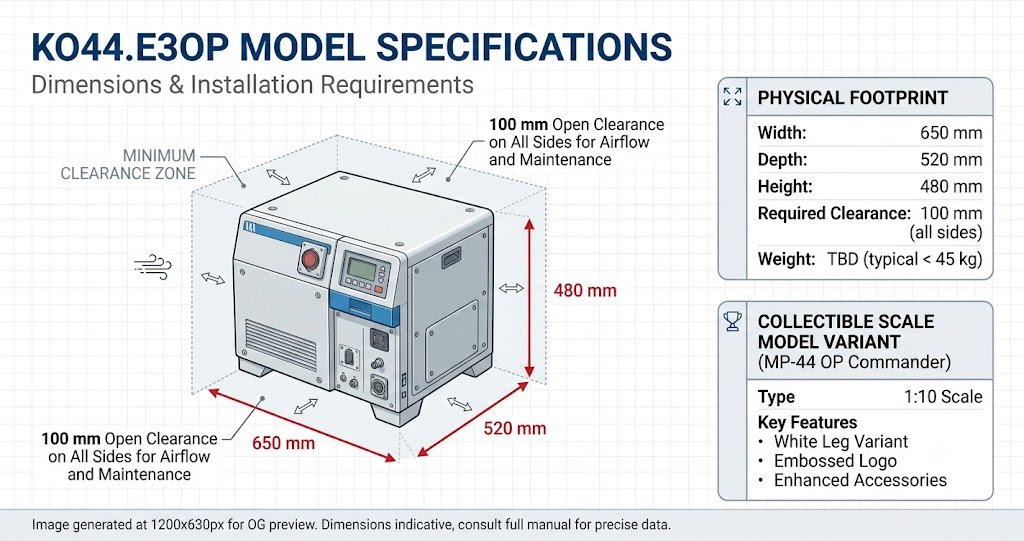
What Is KO44.E3OP Model Size?
KO44.E3OP model size describes the overall scale of a computational model, including its architecture, complexity, and processing capacity. In general computing, model size refers to the amount of information, parameters, or components a model uses to complete specific tasks.
Large models usually provide greater analytical capability but require more memory, storage, and processing power. Smaller models generally operate faster and are easier to deploy on devices with limited hardware.
The goal of the KO44.E3OP model is to achieve an effective balance between computational capability and resource efficiency.
Why Model Size Is Important
Larger models may handle more sophisticated tasks, but they also demand stronger hardware. Smaller or optimized models often provide quicker responses while reducing operational costs.
Selecting the right size depends on the workload and the application’s requirements rather than assuming bigger is always better.
Understanding the Model Architecture
how to find ko44.e3op model
A well-designed architecture allows data to move efficiently through different computational layers while maintaining stability and accuracy. Modern systems divide processing into multiple stages, with each stage performing a specific task before passing information to the next.
Key Characteristics of KO44.E3OP Model Size
Some important characteristics associated with KO44.E3OP model size include:
These qualities help developers adapt the model to different computing environments without significantly changing the underlying structure.
Factors That Influence Performance
Several elements determine how efficiently a computational model performs.
Hardware
Processor speed, available memory, storage performance, and graphics processing capabilities all contribute to faster computation.
Software Optimization
Well-written algorithms minimize unnecessary operations and improve execution speed.
Data Quality
Clean, organized, and accurate input data enables more reliable processing and better results.
Regular Updates
Keeping software and system components updated helps maintain security, stability, and compatibility.
Benefits of an Optimized Model Size
Organizations often prefer optimized models because they deliver reliable performance without requiring expensive infrastructure.
Practical Applications
Depending on implementation, optimized computational models can support many industries, including:
- Artificial intelligence
- Data analytics
- Scientific research
- Business automation
- Educational platforms
- Manufacturing
- Healthcare
- Financial services
These systems assist with data analysis, automation, prediction, and decision support across various environments.
Efficiency and Resource Management
Efficient computing is no longer measured only by processing power. Modern systems emphasize achieving strong performance while minimizing unnecessary resource usage.
Optimization techniques improve execution speed, reduce power consumption, and lower infrastructure costs. As computing technology advances, efficient design continues to become more valuable than simply increasing model size.
Factors That Affect Efficiency
The effectiveness of KO44.E3OP model size depends on multiple factors:
- CPU and GPU performance
- Memory capacity
- Storage speed
- Software optimization
- Quality of input data
- Network performance for cloud-based deployments
- System configuration
Optimizing these components can significantly improve overall performance.
Best Practices for Optimization
To maximize efficiency:
- Match the model size to your workload.
- Keep software updated.
- Monitor system performance regularly.
- Remove duplicate or outdated data.
- Test different configurations.
- Optimize hardware resources when necessary.
- Continuously evaluate performance metrics.
These practices help maintain speed and reliability while minimizing unnecessary resource usage.
Common Misconceptions
Several misunderstandings exist regarding model size.
Bigger Always Means Better
Not necessarily. A larger model may require more resources without providing meaningful performance improvements for every application.
Small Models Cannot Handle Complex Tasks
Modern optimization techniques allow many compact models to perform surprisingly advanced computations.
Hardware Alone Determines Performance
Hardware is important, but software optimization and data quality also play major roles in achieving efficient performance.
Industries That Benefit
Optimized computational models support many sectors, including:
- Information technology
- Healthcare
- Scientific research
- Manufacturing
- Banking and finance
- Education
- Logistics
- Business intelligence
Each industry benefits from improved automation, faster analysis, and more efficient resource utilization.
Future Trends
Computational models continue to evolve toward greater efficiency rather than simply becoming larger.
Future improvements are expected to include:
- Smarter optimization techniques
- Better AI integration
- Improved machine learning algorithms
- Lower hardware requirements
- Enhanced cloud computing support
- Increased scalability
Developers increasingly focus on delivering stronger performance while reducing computational costs.
Choosing the Right Model Size
When selecting an appropriate model, consider:
- Project objectives
- Available hardware
- Processing requirements
- Budget
- Expected future growth
- Scalability needs
Testing different configurations before deployment can help identify the most efficient solution.
Conclusion
KO44.E3OP model size represents the broader concept of balancing computational capability with efficient resource management. Rather than focusing solely on size, developers and organizations increasingly prioritize optimization, scalability, and practical performance.
Choosing an appropriately optimized model can improve processing speed, reduce operational costs, and make better use of available hardware. As computing technologies continue to advance, efficient model design will remain a key factor in building reliable and scalable systems.
Frequently Asked Questions
What is KO44.E3OP model size?
KO44.E3OP model size refers to the computational scale, architecture, and processing capacity of a digital model used for computing tasks.
Why is model size important?
Model size affects processing speed, memory consumption, scalability, hardware requirements, and overall system efficiency.
Does a larger model always perform better?
No. Larger models often require more computing resources, while well-optimized smaller models may provide comparable performance for many applications.
What factors influence performance?
Performance depends on hardware capability, software optimization, data quality, system configuration, and workload.
How can model performance be improved?
Performance can be enhanced by optimizing software, maintaining clean data, updating systems regularly, selecting suitable hardware, and choosing a model size that matches the intended workload.
Note: If “KO44.E3OP” is not an officially documented technology (and there is no publicly recognized technical specification for it), avoid presenting unsupported technical claims as facts. Frame it as a conceptual or product-specific model unless you have official documentation. This makes the article more accurate and more trustworthy.