

CS 440: Artificial Intelligence – Foundations, Innovations, and Real-World Impact
Artificial Intelligence (AI) is reshaping industries, education systems, financial markets, and creative fields. In CS 440: Artificial Intelligence, learners examine the core principles behind intelligent systems and their practical implementation. This discussion highlights essential AI concepts, structural knowledge models, academic research contributions, financial relevance, and AI’s role in modern digital creativity.
Introduction to Artificial Intelligence
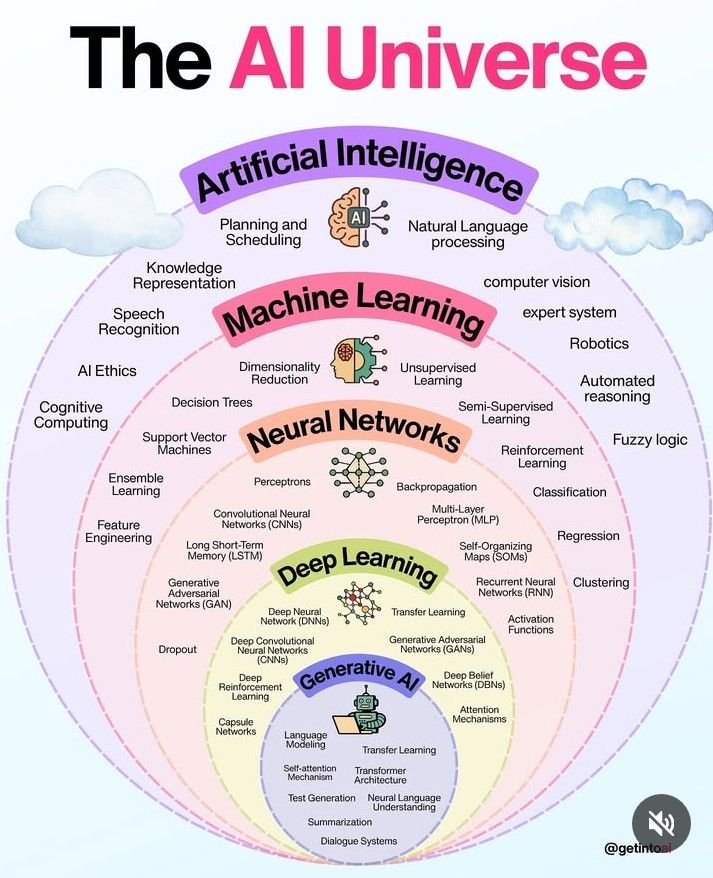
Artificial Intelligence involves developing computer systems capable of performing tasks that normally require human reasoning. These tasks include learning from experience, solving problems, understanding language, recognizing patterns, and making informed decisions.
In a CS 440 course, students typically explore:
- Search techniques such as BFS, DFS, and A*
- Methods of knowledge representation
- Fundamentals of machine learning
- Probabilistic models
- Natural language processing
- Robotics and automated planning
The goal is to design systems that simulate or enhance human cognitive abilities using algorithms and structured data.
Frames in Artificial Intelligence
A major topic covered in CS 440 is frames in artificial intelligence. Frames are structured representations used to organize knowledge about objects, situations, or events in a logical format.
Each frame generally includes:
- Attributes (slots)
- Assigned values
- Default assumptions
- Inheritance relationships
For instance, a “Vehicle” frame might define wheels, fuel type, and speed range. Frames enable AI systems to store information efficiently and reason based on structured relationships.
KIT Artificial Intelligence Research
Research initiatives in KIT artificial intelligence emphasize robotics, autonomous systems, and data-driven learning models. Academic institutions contribute significantly to AI advancement by integrating computer science, engineering, and cognitive research. Such collaborations drive innovation in intelligent automation and smart technologies.
Best Artificial Intelligence Stocks
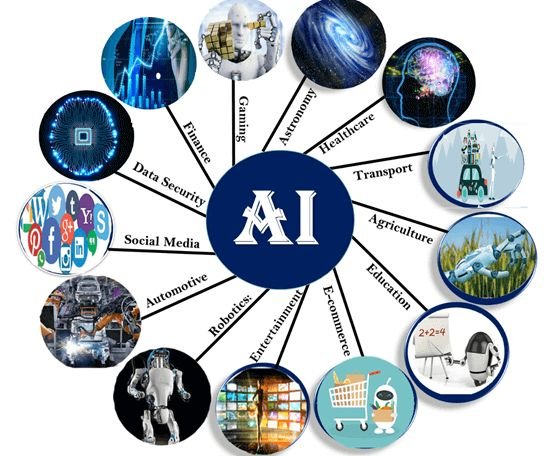
AI has created substantial opportunities in global markets. Many investors look for the best artificial intelligence stocks as companies expand into automation, semiconductor development, cloud computing, and generative AI platforms.
Organizations involved in AI typically benefit from:
- Growing automation demand
- Expansion of big data technologies
- AI-powered cloud services
- Advancements in deep learning systems
Careful financial analysis and market research remain essential when evaluating investment opportunities.
Artificial Intelligence in Music and High BPM Production
AI tools are increasingly used in digital music creation. The phrase artificial intelligence bomb BPM often refers to high-tempo, AI-generated electronic tracks. Modern AI systems can compose melodies, modify rhythm structures, and optimize sound mastering automatically. This demonstrates AI’s expanding influence beyond technical fields into artistic expression.
Core Study Areas in CS 440
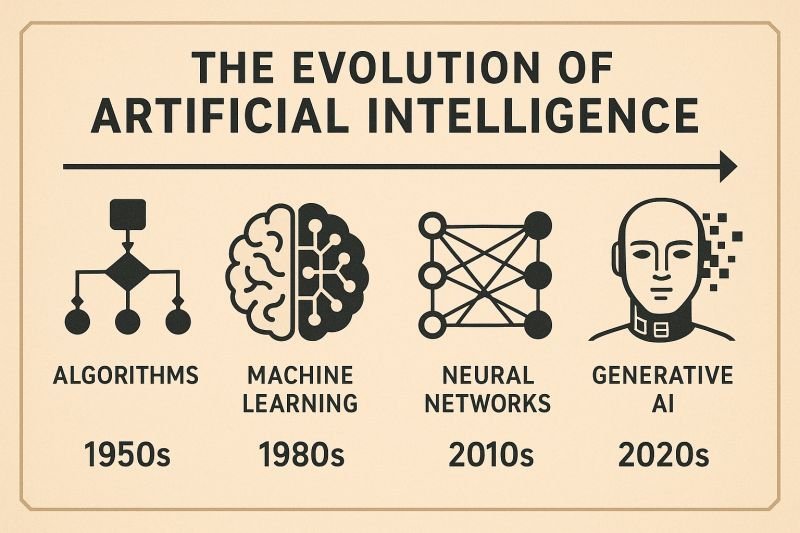
A comprehensive CS 440 Artificial Intelligence curriculum generally covers:
- Search and optimization strategies
- Knowledge modeling and reasoning systems
- Supervised and unsupervised learning
- Neural networks and deep learning concepts
- Ethical considerations in AI development
Students develop both analytical understanding and practical programming skills throughout the course.
Short Questions and Answers – CS 440 Artificial Intelligence
Q1. What is Artificial Intelligence?
Artificial Intelligence is the creation of systems capable of performing tasks that typically require human intelligence.
Q2. What are frames in artificial intelligence?
Frames are structured knowledge representations containing attributes and values used for reasoning.
Q3. Why are search algorithms essential in AI?
They enable systems to explore possible solutions efficiently and select optimal outcomes.
Q4. What is the importance of machine learning in AI?
Machine learning allows systems to improve performance by learning from data.
Q5. Why do investors focus on artificial intelligence stocks?
Because AI-driven companies show strong growth potential across multiple industries.
Q6. How does AI contribute to music production?
AI systems can compose melodies, manage tempo, and automate sound engineering processes.