Java Programming Language: Complete Guide (Jobs, Books, Projects & Comparisons)
Java remains one of the most powerful and in-demand programming languages in the world. From enterprise applications to Android apps and big data systems, Java continues to dominate the backend ecosystem.
What Is Java?
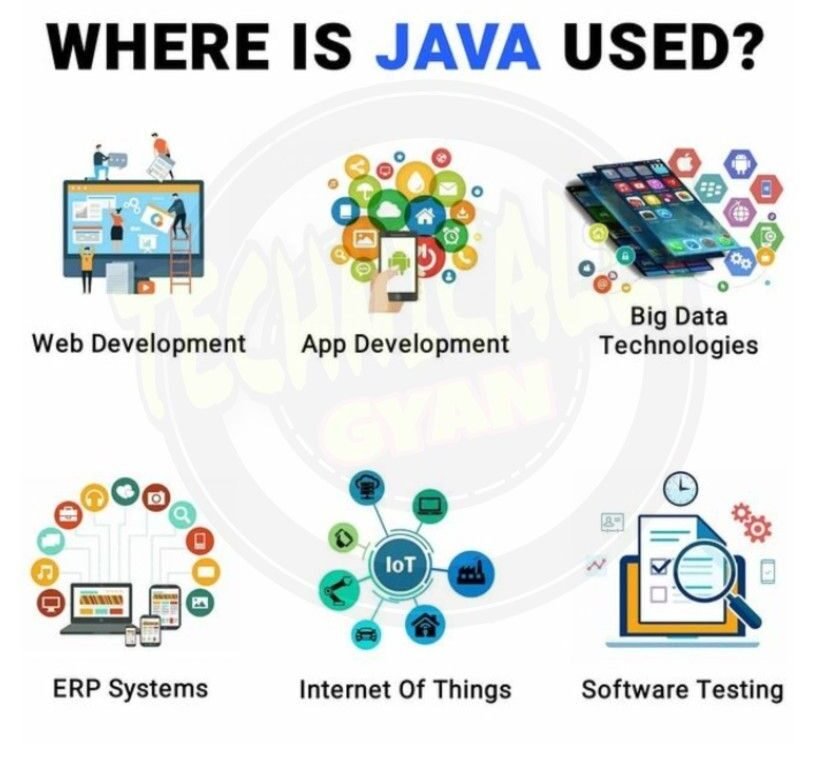
Java is a high-level, object-oriented, platform-independent programming language designed to follow the principle:
“Write Once, Run Anywhere.”
- Java programs are compiled into bytecode.
- Bytecode runs on the Java Virtual Machine (JVM).
- It supports object-oriented programming (OOP).
- It is widely used for enterprise and backend development.
Java Language Developed By
Java was developed by:
- James Gosling
- At Sun Microsystems
- In 1995
Later:
- Oracle Corporation acquired Sun Microsystems.
- Oracle now maintains and updates Java.
How Java Works
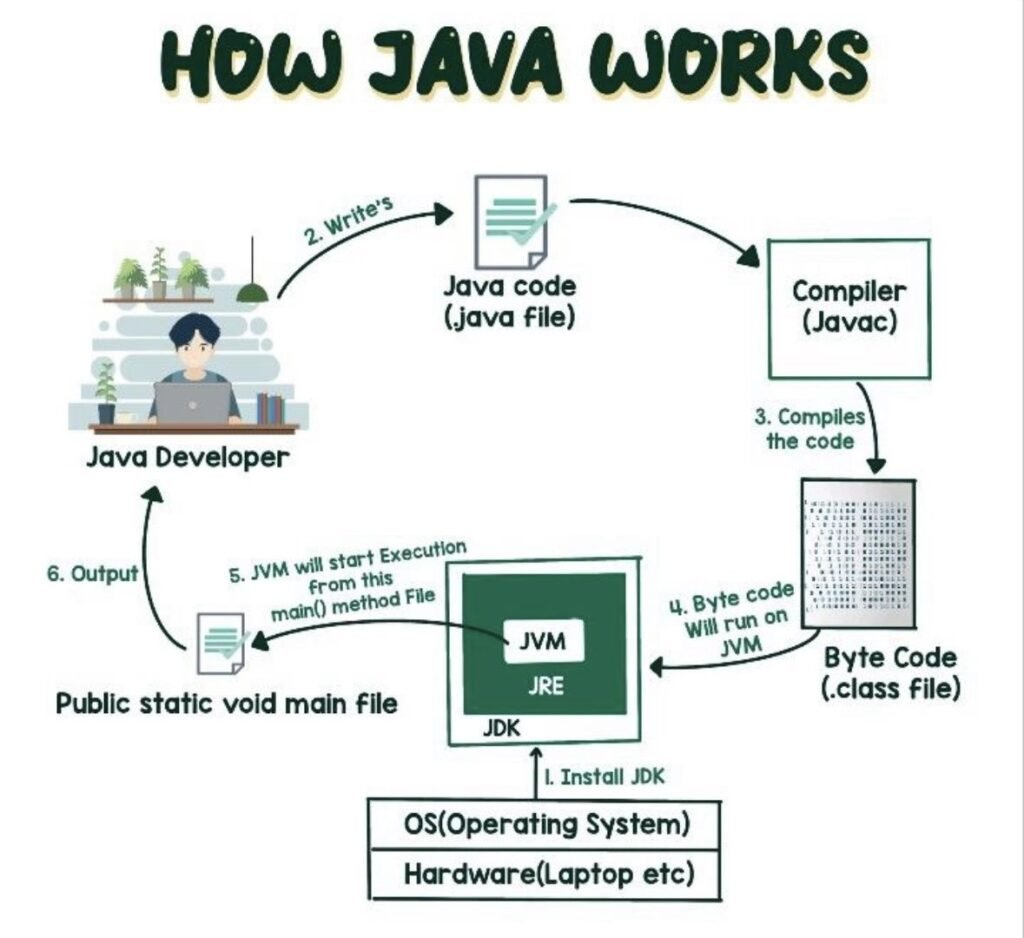
- Developer writes a
.javafile. - The compiler (
javac) compiles the source code. - Bytecode (
.classfile) is generated. - Bytecode runs on the JVM.
- The program produces output.
Main components:
- JDK (Java Development Kit)
- JRE (Java Runtime Environment)
- JVM (Java Virtual Machine)
This architecture makes Java platform-independent.
Structure of Java Programming Language
Basic structure:
public class Main {
    public static void main(String[] args) {
        System.out.println("Hello World");
    }
}
Key elements:
- Class declaration
main()method (entry point)- Statements and expressions
- Objects and methods
Java follows OOP principles:
- Encapsulation
- Inheritance
- Polymorphism
- Abstraction
Data Types in Java
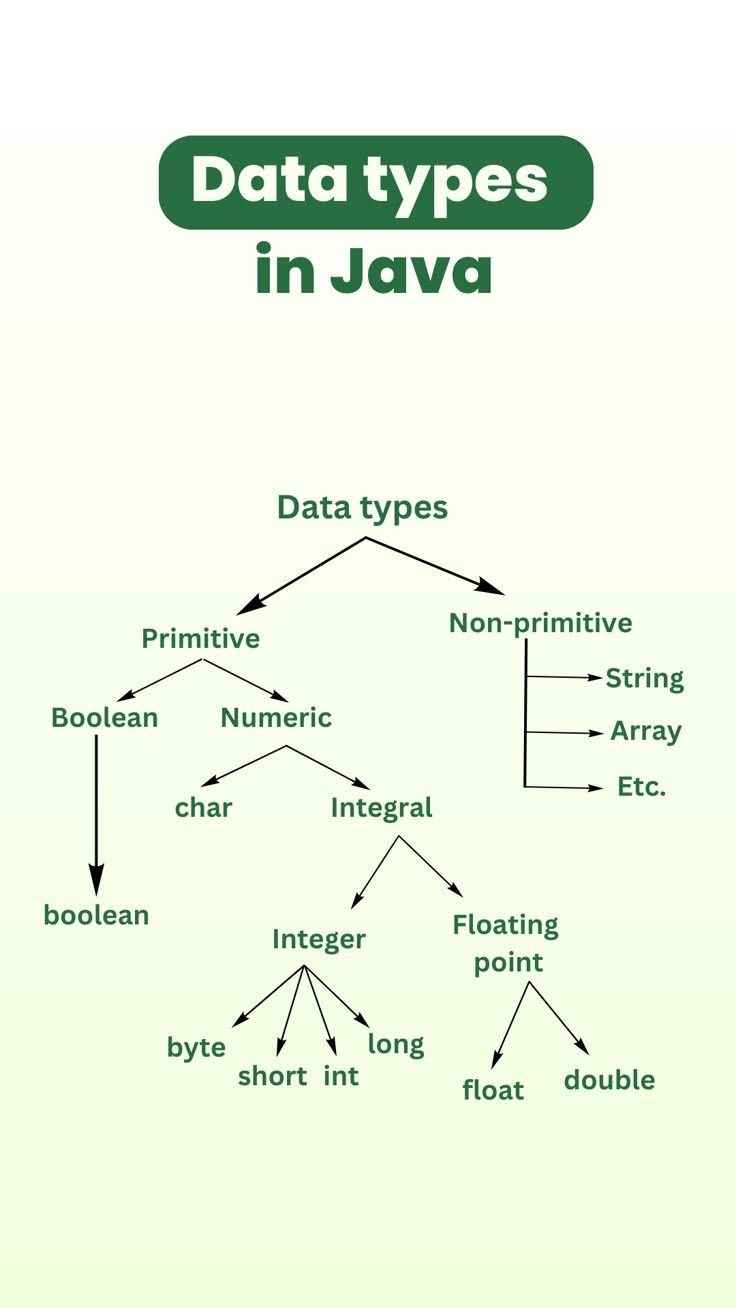
Primitive types:
- byte
- short
- int
- long
- float
- double
- char
- boolean
Non-primitive types:
- String
- Arrays
- Classes
- Interfaces
Go Language vs Java
Go vs Java comparison:
- Go is compiled directly to machine code.
- Java compiles to bytecode that runs on the JVM.
- Go uses goroutines for concurrency.
- Java uses threads.
- Go is simpler and lightweight.
- Java has stronger enterprise support.
Go is popular for cloud-native apps.
Java dominates large enterprise systems.
Java vs C Language
C vs Java differences:
- C is a low-level language.
- Java is a high-level language.
- C uses manual memory management.
- Java uses automatic garbage collection.
- C is platform dependent.
- Java is platform independent.
- C does not fully support OOP.
- Java fully supports OOP.
Java removes pointers and manual memory management, making it safer.
Are Java and JavaScript Different Languages?
Yes, they are completely different.
Differences:
- Java is compiled.
- JavaScript is interpreted.
- Java is used for backend and Android development.
- JavaScript is mainly used for frontend web development.
- Java is class-based OOP.
- JavaScript is prototype-based.
They only share a similar name.
Minecraft Java Language
Minecraft (Java Edition) is built using Java.
This allows:
- Mod development
- Server customization
- Cross-platform gameplay on PC
Java’s portability made it ideal for Minecraft.
Java Language Level
Java language level refers to version compatibility.
Common versions:
- Java 8 (LTS)
- Java 11 (LTS)
- Java 17 (LTS)
- Java 21 (Latest LTS)
Newer versions include:
- Lambda expressions
- Stream API
- Records
- Pattern matching
What Makes Java Different From Other Languages?
- Platform independence through JVM
- Strong type system
- Large ecosystem and frameworks
- Enterprise-level support
- Backward compatibility
- Strong community
Java is widely used in banking, telecom, and enterprise systems.
Java Language Jobs (2026 Outlook)
Popular job roles:
- Java Developer
- Backend Engineer
- Full Stack Developer
- Android Developer
- Software Engineer
- Spring Boot Developer
Industries hiring Java developers:
- FinTech
- E-commerce
- Banking
- Cloud services
- Government systems
Average salary (US):
- $90,000 – $150,000+
Java remains one of the top-paying programming languages.
Best Book to Learn Java Programming Language
Recommended books:
- Head First Java – Best for beginners
- Effective Java by Joshua Bloch – Advanced best practices
- Java: The Complete Reference – Comprehensive guide
Java Programming Language Book (Beginner Path)
Learning roadmap:
- Core Java
- OOP concepts
- Collections Framework
- Exception Handling
- Multithreading
- JDBC
- Spring Framework
- REST APIs
Project in Java Language (Beginner to Advanced)
Beginner projects:
- Calculator
- ATM system
- Student Management System
Intermediate projects:
- Library Management System
- Banking System
- E-commerce backend
Advanced projects:
- REST API using Spring Boot
- Chat application
- Microservices architecture
- Online exam portal
Java Full Stack Development
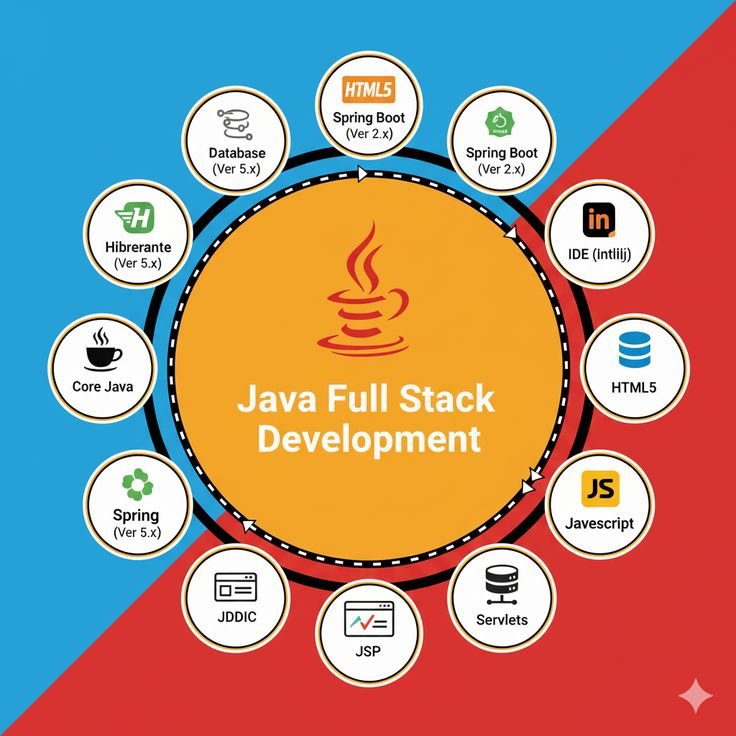
Common technology stack:
- Frontend: HTML, CSS, JavaScript
- Backend: Java + Spring Boot
- Database: MySQL / PostgreSQL
- ORM: Hibernate
- Build tools: Maven / Gradle
Java Full Stack Developers are in high demand globally.