CIS 6200: Advanced Topics in Machine Learning – Models, Trends, and Research Directions
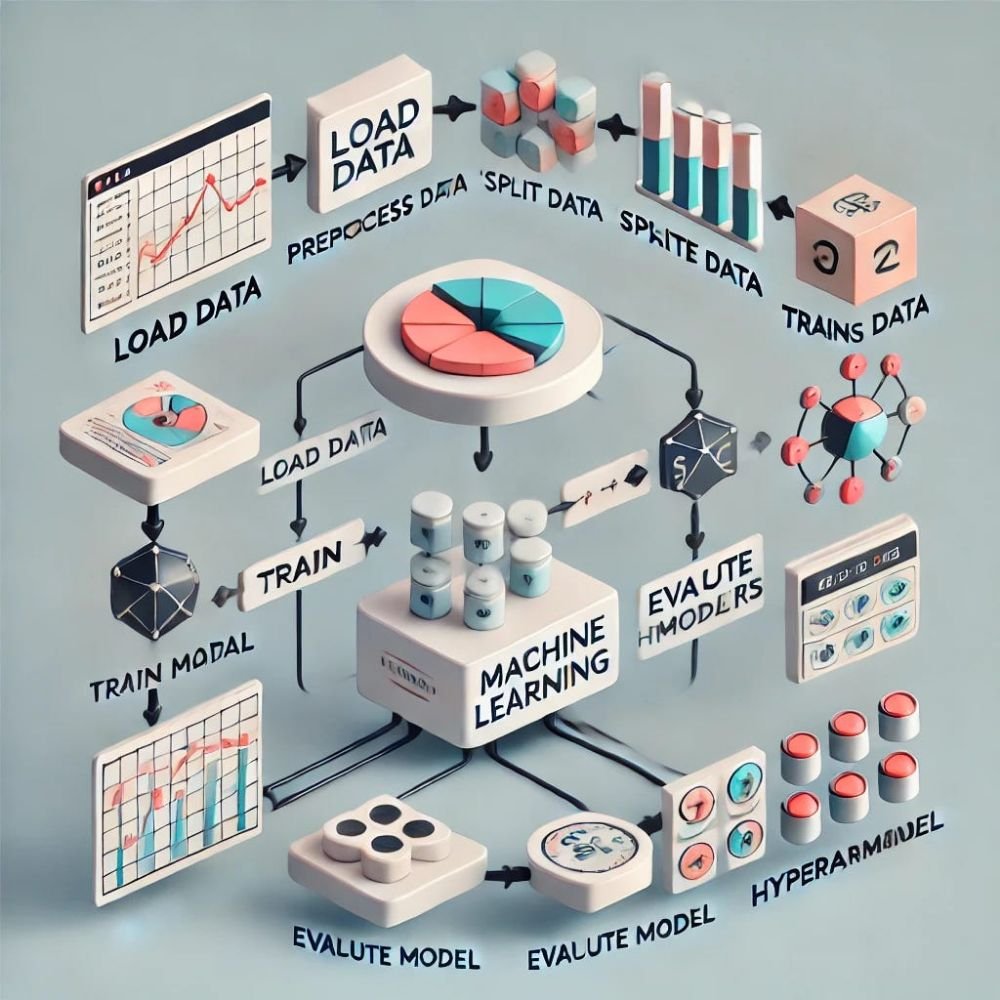
Machine Learning (ML) has become a foundational technology across healthcare, cybersecurity, finance, and computer vision. In CIS 6200: Advanced Topics in Machine Learning, students explore state-of-the-art models, theoretical foundations, and applied research areas. This article discusses the best machine learning model for image classification, cybersecurity AI, explainable AI (XAI), hypertension prediction using machine learning Kaggle datasets, historical origins of ML, and modern research trends.
Introduction to Machine Learning
Machine learning is a subset of artificial intelligence that enables systems to learn from data and improve performance without being explicitly programmed for every task. It combines statistics, optimization, and computer science to build predictive and adaptive models.
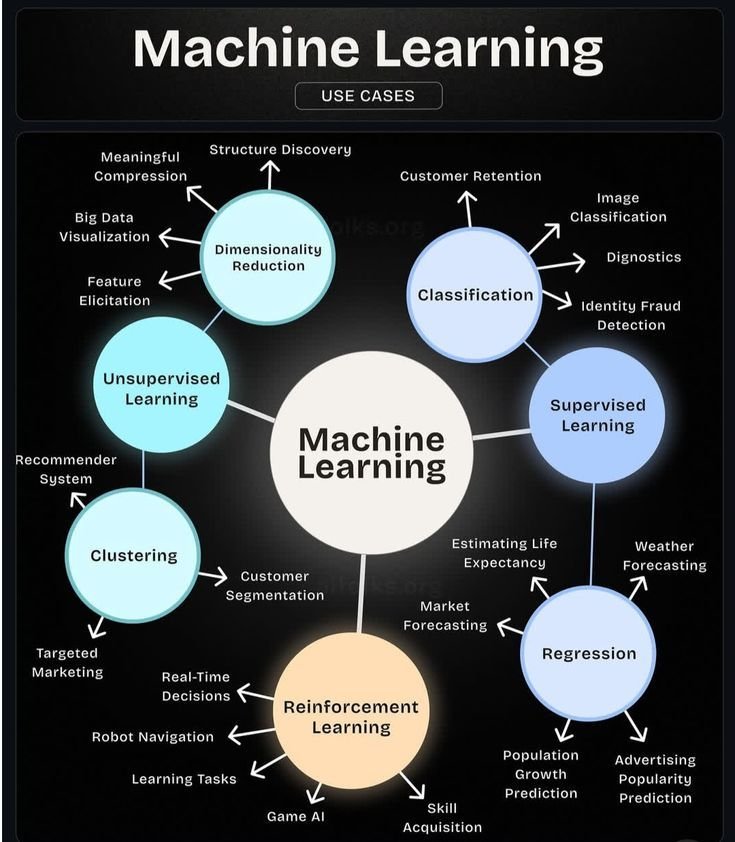
Core learning types include:
- Supervised learning
- Unsupervised learning
- Reinforcement learning
- Deep learning
Best Machine Learning Model for Image Classification
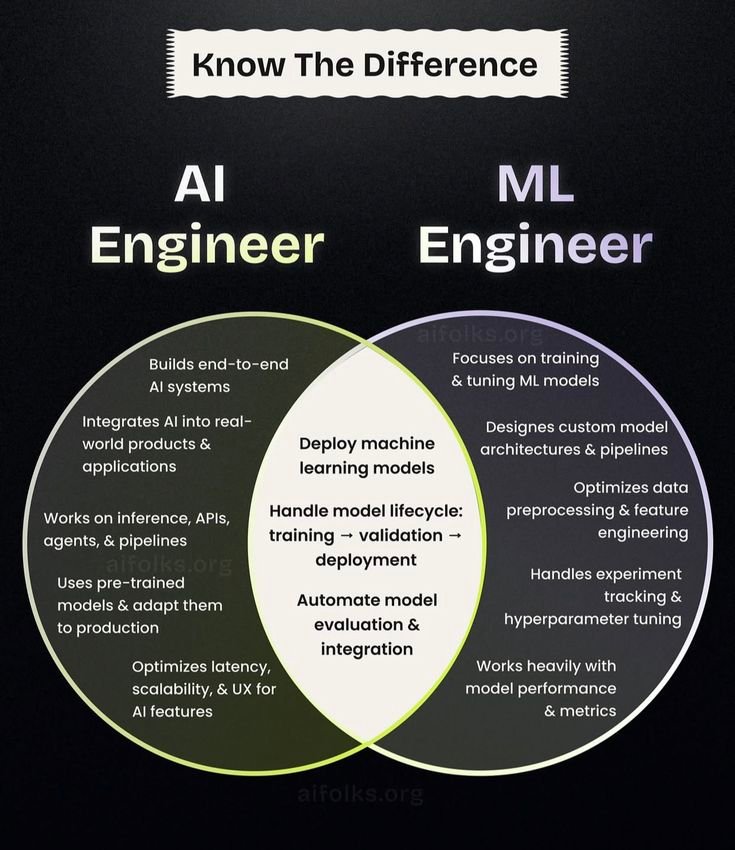
Selecting the best machine learning model for image classification depends on dataset size, computational power, and accuracy requirements. However, deep learning models dominate this field.
Popular models include:
- Convolutional Neural Networks (CNNs) – The standard architecture for image recognition tasks.
- ResNet (Residual Networks) – Helps train very deep networks without vanishing gradient issues.
- EfficientNet – Optimized for high accuracy with fewer parameters.
- Vision Transformers (ViT) – Apply transformer architecture to image patches for state-of-the-art performance.
For most academic and industry applications, CNN-based architectures remain the practical choice, while transformers are increasingly competitive.
Cybersecurity AI and Machine Learning
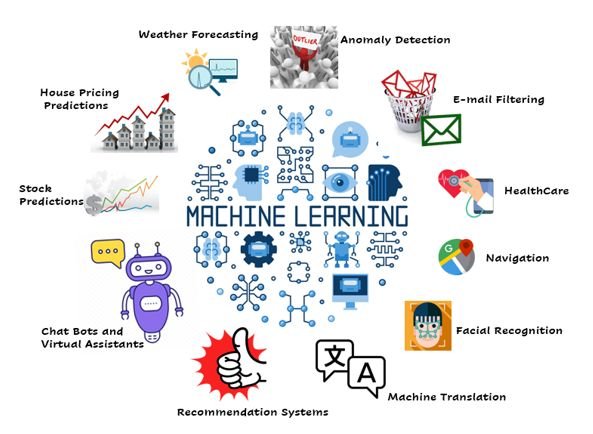
Cybersecurity AI research machine learning focuses on detecting anomalies, preventing intrusions, and predicting cyber threats. ML models analyze large volumes of network data to identify suspicious behavior.
Applications include:
- Intrusion detection systems
- Malware classification
- Phishing detection
- Behavioral anomaly detection
Deep learning and ensemble methods improve detection rates while reducing false positives.
Explainable AI (XAI) in Research
As ML systems grow more complex, interpretability becomes crucial. Explainable AI (XAI) aims to make machine learning decisions understandable to humans.
Common XAI techniques:
- LIME (Local Interpretable Model-Agnostic Explanations)
- SHAP (Shapley Additive Explanations)
- Feature importance visualization
- Attention maps in neural networks
In fields like healthcare and finance, explainability is essential for trust and regulatory compliance.
Hypertension Prediction Using Machine Learning (Kaggle Projects)
Projects such as hypertension prediction using machine learning Kaggle datasets demonstrate ML’s medical applications. Models are trained on patient features like age, BMI, cholesterol, and blood pressure history.
Common algorithms used:
- Logistic Regression
- Random Forest
- Support Vector Machines
- Gradient Boosting
These systems help identify at-risk individuals early, supporting preventive healthcare strategies.
Machine Learning Trends 2023 and Beyond
Recent machine learning trends 2023 highlight major advancements:
- Growth of generative AI models
- Increased use of transformer architectures
- AutoML and low-code ML platforms
- Edge AI deployment
- Responsible and ethical AI frameworks
Research continues to focus on model efficiency, fairness, and scalability.
How Was Machine Learning Conceived and By Whom?
Machine learning emerged from early artificial intelligence research in the mid-20th century. The term “machine learning” was coined by Arthur Samuel in 1959. He defined it as a field that gives computers the ability to learn without explicit programming.
Key contributors include:
- Alan Turing – Foundations of computational theory
- Arthur Samuel – Early self-learning checkers program
- Geoffrey Hinton – Neural networks and deep learning
- Yann LeCun and Yoshua Bengio – Deep learning pioneers
Their work shaped modern ML systems.
Core Themes in CIS 6200 Advanced Topics in Machine Learning
A CIS 6200 course typically covers:
- Advanced neural architectures
- Optimization techniques
- Probabilistic graphical models
- Reinforcement learning systems
- AI security and adversarial attacks
- Explainable and ethical AI
- Research methodologies in ML
Students engage in research projects, implement advanced algorithms, and analyze real-world datasets.
Conclusion
CIS 6200: Advanced Topics in Machine Learning equips students with in-depth knowledge of modern ML systems and research directions. From identifying the best machine learning model for image classification to exploring cybersecurity AI research machine learning and medical prediction models, the field continues to evolve rapidly.
Machine learning remains one of the most influential technologies shaping innovation across industries.
Short Questions and Answers
Q1. What is the best model for image classification?
CNN-based architectures like ResNet and EfficientNet are widely used, while Vision Transformers show strong recent performance.
Q2. What is Explainable AI (XAI)?
XAI refers to techniques that make machine learning model decisions understandable to humans.
Q3. How is ML used in cybersecurity?
It detects anomalies, identifies malware, and predicts cyber threats using pattern recognition.
Q4. Who coined the term machine learning?
Arthur Samuel introduced the term in 1959.
Q5. What is a common algorithm for medical prediction tasks?
Logistic Regression and Random Forest are commonly used for healthcare prediction models.